Suburban Ecology: Why Native Plants are Important

Back to Basics

If you check in here regularly, I bet you’ve noticed me extolling the benefits of native plants. I, like most ecologically minded gardening writers, will tell you that native plants are good for the environment, that they use fewer resources and require less maintenance, that they preserve biodiversity … but what does all this really mean?

Are natives really low maintenance? Should I put in a few varieties, or lots of different ones? Why are non-natives so bad, anyway? How did we get to the point that this is a problem? And can we talk about the deer?

Find the answers to these questions and more in the full article here. You’ll also find a list of native plants that are deer resistant - or as resistant as possible! Go Native. You won’t regret it!
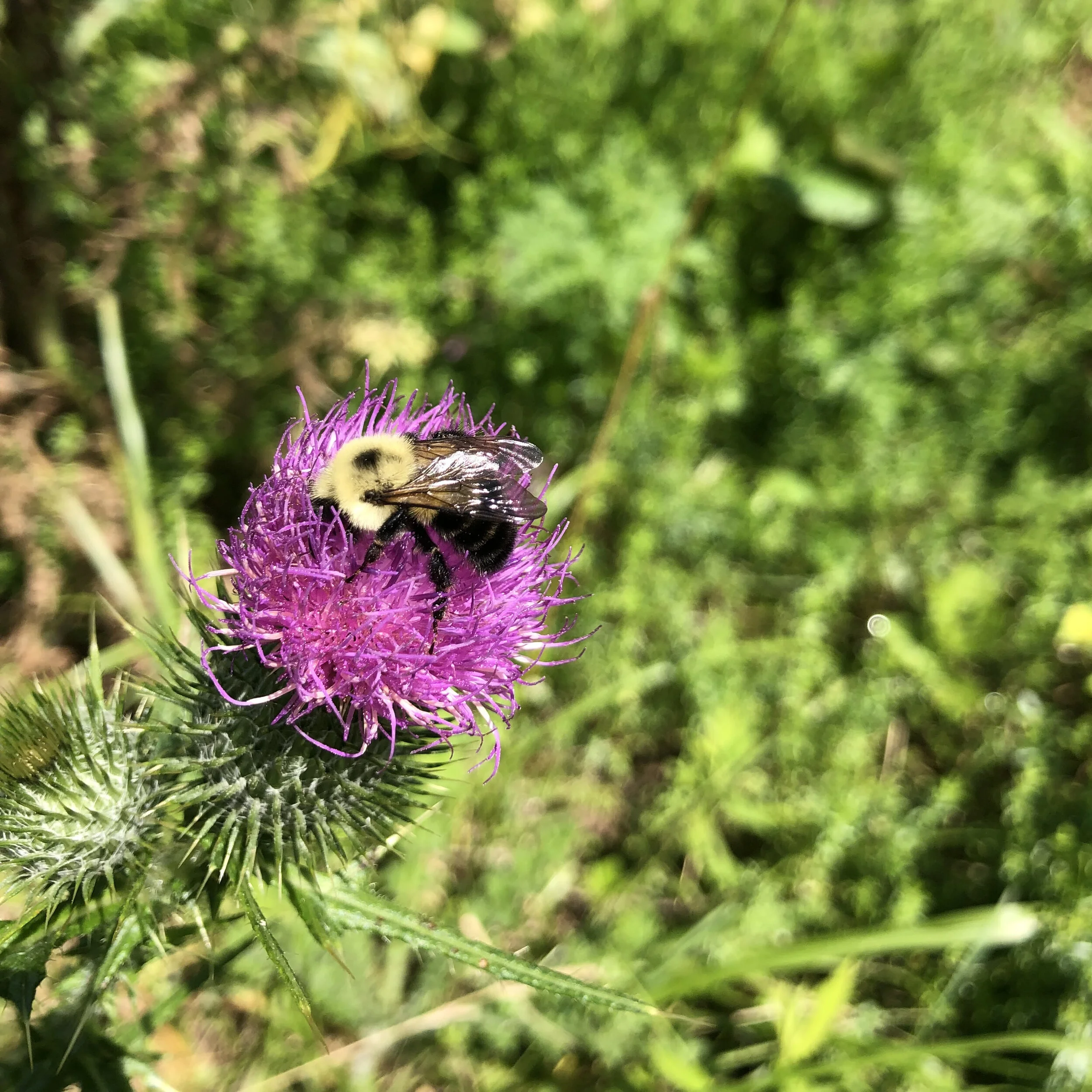
Bee on native thistle

Bee on native thistle

Carolle Huber

I have been designing landscapes for 30 years, working on large developments, subdivisions, wetlands restoration, public gardens and residential design. These days, I gravitate toward residential design and green projects, with the goal of creating beauty and inspiring awe, while doing right by the environment. Residential design allows me to indulge in planting design, as well as the more typical practice of site design, construction and drainage. As an avid gardener, I am interested in all garden styles, from the simplicity of a contemporary project to the constantly changing mixed border of an English garden.  From more urban areas such as my home town, to more open and rural areas, I enjoy creating sustainable landscapes that are particular to the surroundings, and that take advantage of existing views.   

https://www.carollehuber.com
Previous
Previous

Suburban Ecology: In Praise of Trees

Next
Next

Suburban Ecology: Create a Butterfly Habitat in Your Yard this Summer