Suburban Ecology: Should You Cut Down Your Ash Trees?
If you have an old, glorious ash tree in your yard, what should you do? With the emerald ash borer on the move, doing nothing is not an option. You need to either remove it or treat it.
If the tree would not cause damage if it fell, try to treat it. It will cost you about $300 every two years. But treatment over a long period is not sustainable. If you are not willing or able to make that commitment, I suggest removing the tree now.
History of Parasitic and Fungal Disease
In 1904, chestnut blight was accidentally introduced to the United States when a parasite came in from Japan with some ornamental plants. It was first detected at the Bronx Zoo. Devastatingly, by 1940, most American chestnut trees had been wiped out. Estimates put the loss at four billion trees. The chestnut was a great source of food for people and many animal species, and their populations were affected too. On the East Coast, it is estimated that one in four trees was an American chestnut. Most of us alive today never got to see these noble old trees.
Less than a generation later, in 1928, Dutch elm disease came along. It was caused by a fungi spread by elm bark beetles which arrived in the U.S. from Asia with a shipment of logs to be used as veneer for furniture. Quarantine kept it in the New York City area for thirteen years, but it eventually spread and, by 1989, we had lost 75% of these majestic trees. Imagine street lined with trees whose arching branches touched in the middle and shaded your parked car. Now imagine them suddenly gone. It was devastating. Elms we plant today are hybrids, a cross of European varieties with the remaining, most disease-resistant American specimens.
Should You Cut Down Your Ash Trees? A Possible Solution - Organic Injection Treatment
Emerald Ash Borers
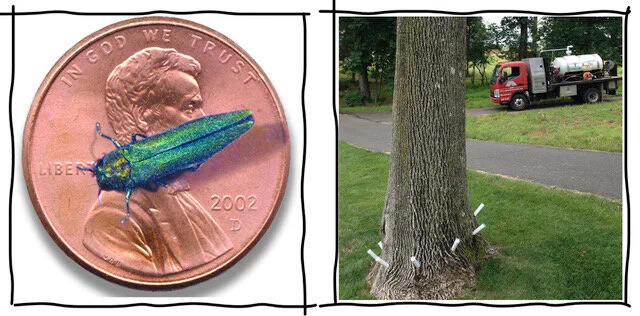
Driving through the Catskills six years ago, I was saddened to see what seemed like 50 acres of trees being cut down between Rt. 28 and the Ashokan Reservoir. A sign said that trees were being removed to combat emerald ash borers. The emerald ash borer, or EAB, was first discovered in the U.S. in 2002, but it was 2014 before it got to New Jersey. It probably came from Asia on wood pallets used in shipping. This beautiful but deadly beetle will lay eggs on the ash tree’s bark. Hatched larvae then bore into the tree and feed on the tissue beneath the bark. This tissue, called xylem, is like our arteries. It moves water up and down from roots to the ends of the highest leaves. Once the xylem is destroyed, the tree is doomed.
I took comfort in the thought that New York was taking action, creating a firewall to stop the invasive beetle’s march into New Jersey. That was part of the story, but there was more. I later learned that New York had removed 4,000 trees on 200 acres, and those trees were not yet infested. New York City owns the reservoir, and had made a calculation: Cut down the trees before they become infested and ‘preserve their value’, i.e., sell the wood and make money; or wait until they inevitably become infested and get nothing. Ash wood is valuable for making baseball bats, tool handles, furniture, and flooring, but once infested with the ash borer, it is worthless and costly to remove.
The ash borer spreads by flying from tree to tree, but it’s even more likely that humans accidentally help it spread when we transport ash as firewood or lumber. In New Jersey, ash wood is now under quarantine. To slow the spread, you are not permitted move ash wood between states.
Should You Cut Down Your Ash Trees?
If you have an old, glorious ash tree in your yard, what should you do? With the emerald ash borer on the move, doing nothing is not an option. You need to either remove it or treat it.
If the tree would not cause damage if it fell, try to treat it. It will cost you about $300 every two years. But treatment over a long period is not sustainable. If you are not willing or able to make that commitment, I suggest removing the tree now. As painful as it might seem, removal is the best way to slow EAB spread. Once infected, the ash tree will die within 2-4 years. Especially if your tree is in an inhabited area, it’s important to take it down before it becomes dangerous, not only to any neighbors nearby, but also to the tree experts who have to climb into up to remove it.
If you do decide to treat your ash, consider your options carefully. Foliar spray— spraying the entire tree—is generally a bad idea. Imagine an insecticide (a poison) sprayed into the tops of a huge tree and how much of that spray ends up in the wrong places. Another option is a trunk spray which can last up to a year, but will kill all insects, not just the problematic emerald ash borer. A third choice is a soil drench, but results can be inconsistent and it will also kill beneficial insects in the soil.
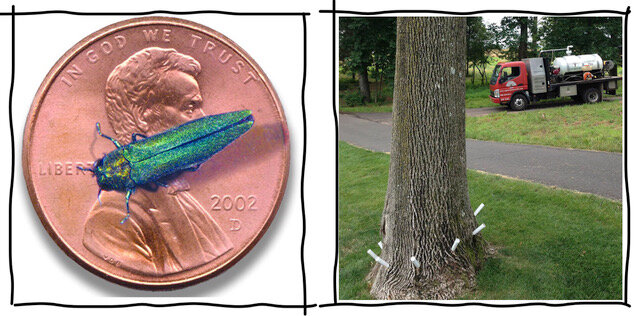
The best treatment is an injection of insecticides directly to the xylem, which works much like chemo-therapy in attacking the affected tissue. A few synthetic compounds are very effective for injection. Since ash trees are not insect-pollinated, there is less danger to insects or bees. But it will kill any caterpillars living in the tree. And treatment can be toxic to birds and aquatic life, so keep it away from lakes and rivers.
An organic injection treatment is the best option. TreeAzin, similar to neem oil, interrupts larval growth and egg viability in adult EABs so that populations decline. It is injected directly into the tree, so it has much less impact on the environment. Organic Plant Care Tree Experts in Frenchtown (908-386-4346) provides injection treatments. Costs are a few hundred dollars per tree, every two years. Check out their website here for more information.
So should you cut down your ash trees or treat them? It’s up to you. For now, the scientists fear that the ash tree will suffer the same fate as the chestnuts and elms. There is little hope that we can stop the emerald ash borer and save the trees. But through awareness of the accidental harm humans cause and by taking fast, effective action, we can make the difference. Instead of becoming part of the problem, we need to start being more aware of how we treat the natural world.
What’s next? The spotted lantern fly.
Learn more about me Carolle Huber my sustainable landscape blog and the inspiring sustainable landscapes that I design here.
Carolle






Suburban Ecology: Exotic Invasives & Our Changing Ecosystems
Twenty years ago it was a diverse forest. So full you could not see into it. So many species of trees; birch, beach, oak, ash and tulip trees. The understory was also full with viburnum, chokeberry, witch hazel and azaleas. Today most of the native understory has been eaten by an out of control deer population, and in its place has grown what we call exotic invasive’s.
I walk my dog in the woods near our home every morning. I love seeing ‘my’ Belted Kingfisher dive for breakfast in the summer and funny looking Buffleheads too. And several times a year I’m privileged to see a Bald Eagle, gliding past me over the lake. Seeing nature like this is hopeful, but I am at the same time alarmed to see the degradation of the woods on the other side of the trail.
Twenty years ago it was a diverse forest. So full you could not see into it. So many species of trees; birch, beach, oak, ash and tulip trees. The understory was also full with viburnum, chokeberry, witch hazel and azaleas. Today most of the native understory has been eaten by an out of control deer population, and in its place has grown what we call exotic invasive’s.

What To Plant Instead Of Exotic Invasives
Exotic Invasives
Japanese Barberry, Japanese Knotweed and Burning Bush, from Asia. Believe it or not, these were all brought here intentionally as ornamental plants for use in our gardens, back in the 1800’s. Even then, while they might have escaped into our woods, they did not thrive or survive. There was too much competition from our native plants. What happened? Deer.
Deer & The Importance Of Planting Native Species
People assume we caused the deer problem by developing the woods where they lived, thus reducing their habitats and forcing them into suburbia. The truth is, all that development has been great for the deer. They thrive on it. They live on the edges of the forests, and by carving out the forests to build homes, we have created many more ‘edges’. Then we landscaped our yards with their favorite foods. Some areas in New Jersey have as many as 100 deer per square mile, while scientists tell us ten per square mile is all the woods can sustain.
Deer prefer native plants over exotic ones because they co-evolved together over thousands of years, it’s what they are used to. When we had a normal deer population, the native plants were never decimated. Now, with huge populations of deer, most of the native plants are gone, leaving open areas for the exotics to exploit.
Some of our forests have passed the tipping point. There are no new trees growing to replace all the old ones that are aging out or we’ve lost in recent storms. They get eaten by deer before they are tall enough to survive. The native plant communities have been destroyed, and with their disappearance, the rest of the ecosystem is changing too. The insect populations that depend on the native shrubs disappear. The birds and rodents that survived on these insects move on. The hope is that these creatures will adapt to the new ‘normal’ but the data is not good.
Other Problems With Exotic Invasives
Two of the worst exotic invasive are Japanese Barberry and Burning Bush. Exotic, because they come from a far away country. Invasive because they spread rapidly. They have berries that birds eat in the fall. The seeds get pooped out as the birds are flying, and they germinate everywhere.
As destructive as these plants are, they are still staples in our nurseries. They have been banned from sale in most Northeast states but not NJ. They have been talking about it for years but have not made a move yet. Why? The nursery trade likes to give us what we ask for, instead of educating us on the detrimental effects of these plants.
Nurseries sell Japanese barberry because it has great red color and the deer don’t eat it, we love burning bush for its brilliant fall color, you see it in mass in corporate parking lots.
What To Plant Instead of Exotic Invasives: The Native Alternatives
Below are some worst offenders and my favorite native alternatives. These will also become habitat and food for important pollinators, small mammals and birds. And it would be worthless if they were not also on my deer ‘resistant’ list.
What To Plant Instead of Exotic Invasives :
Replace Barberry with Virginia Sweetspire, 3’ high great color, and flowers.
Replace Spirea with Ninebark. There are so many different ones, you can pick the best for the size and color you want.
Replace Norway Maple with White Oak. This is the number one best tree to support wildlife.
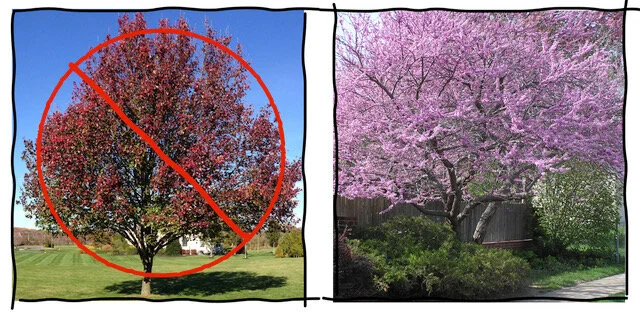
Replace Callery Pear with Redbud. Early spring flowers and beautiful shape.
Replace Butterfly Bush with New Jersey Tea. Least deer resistant on my list, so use accordingly. Worth trying for its summer-blooming flowers. Dry site tolerant.
Replace Burning Bush with Chokeberry or Fragrant Sumac. Great fall color, one tall one small.
Replace Miscanthus Grass with Switch Grass. So many varieties to choose from.
Replace Privet with an Arrowwood Viburnum or American Holly hedge.
Replace Forsythia with Spicebush, and look for Spicebush Swallowtails in your garden
It is simple, you would not ingest a dangerous substance, or feed it to your family. Don’t plant anything on your States Exotic Invasive Plant List.
I hope you have found this post useful and found some great native alternatives to plant instead of exotic invasives.
Learn more about me Carolle Huber my sustainable landscape blog and the inspiring sustainable landscapes that I design here.
Carolle

Suburban Ecology : A New Year's Resolution for a Healthier Planet
Now is the time to think about increasing the biodiversity of your suburban lot to support the vitality of Nature in your own corner of the world. Residential landscapes occupy almost one-fifth of the entire United States, so how we manage our yards has a large effect on the health of our planet.
Now is the time to think about increasing the biodiversity of your suburban lot to support the vitality of Nature in your own corner of the world. Residential landscapes occupy almost one-fifth of the entire United States, so how we manage our yards has a large effect on the health of our planet. What can you do this year to make your own plot friendlier to our small friends who want to thrive there? I’ve got a few ideas and resolutions for a healthier planet. Don’t feel overwhelmed; pick out 3 from my list below and make 2020 your year to make a difference in the health of the Earth.
Resolutions for a Healthier Planet
1- Have A Landscape
No kidding. No matter the size of your property or terrace, have some plants other than grass. Plants have many benefits. They absorb carbon dioxide and release oxygen, they shade and cool our neighborhoods, and they reduce dust, filter water, and prevent erosion. If you have no yard, plant in pots.
2- Get A Compost Bin
Whether you build one or buy one, start composting your food waste. It’s great for your soil and conserves landfill space. Once it is ready, use it as mulch, soil amendment or organic fertilizer for your plants. Chop your scraps up for rapid composting. Match your food scraps 1 for 1 with dry brown stuff like leaves, sawdust or newspaper. When its done it should smell earthy and sweet.
3- Conserve Water
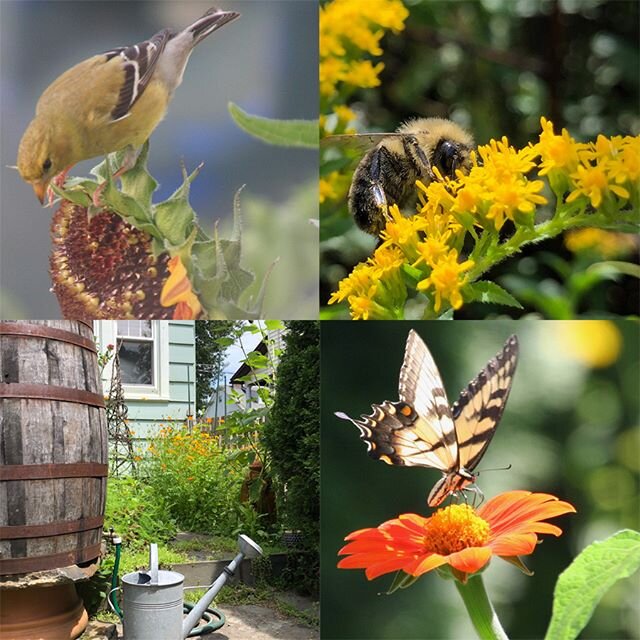
Install a rain barrel or two. Use this water for potted plants or landscape beds. You can fill up watering cans, or run a soaker hose from its spout into your landscaped beds. Water is a resource to use carefully. For each inch of rain collected from a 500 sf roof area, you can collect 300 gallons of water! I’m adding a second on this year, the first one has been so successful. I am partial to wood whiskey barrels.
If you have an irrigation system, inspect it regularly to see that heads are irrigating the landscape and not the driveway. Install a rainfall sensor that will shut the system down if it rains.

Resolution for a Healthier Planet - Wood whiskey barrel to collect rain water for the yard.
4- Create A Habitat For Wildlife
A great resolution for a healthier yard is adding plants to mimic wild areas. Layer shade trees, small trees, shrubs, perennials and ground covers that are attractive to pollinators. Here, birds can find food, shelter, and nesting sites. A birdbath helps too. I got a bird bath coil this winter to keep the water from freezing. It turns off when the temp is above freezing and costs just pennies a day.
5- Do Better Lawn Care
Switch to organic fertilizers for your lawn. Use a mulch mower and leave grass clippings on the lawn; they supply needed nutrients and help keep weeds at bay. Mow high and frequently, and never cut off more than ⅓ of the grass blade. Mowing high helps prevent weeds and crabgrass and encourages deep roots, which helps on hot summer days.
6- Hang A Bird Feeder
Two-thirds of North America's birds are at risk of extinction due to climate change. Too many suburban landscapes are over-maintained; plants get cut back in fall and removed, along with all their seeds, and leaves are blown away, taking with them all the insects that might have overwintered there. Planting the right plants to provide food for birds in spring, summer and fall, along with supplemental feeding in winter helps a lot, especially now that our winters last longer. Make sure to clean feeders thoroughly a few times throughout the winter, so you don’t help spread viruses. I hang suet for woodpeckers, and feed only sunflower seeds to greatly reduce wasted seed. If you don’t like the seed hull mess, try the shelled seeds. They are more expensive, so I switch to them late winter, when I am actively in my yard again and don't want the mess.

Planting the right plants to provide food for birds in spring, summer and fall -
A New Year's Resolution for a Healthier Planet
7- Leave The Leaves
In fall, mow over fallen leaves and leave them on your lawn or rake them into your landscape beds as winter mulch. As they deteriorate, they will improve your soil and provide nitrogen, phosphorus and potassium without expensive chemical fertilizers. They also serve as winter insect habitat, helping declining bug populations survive. If you have extra leaves, add them to your compost bin.
8- Install A Bat House
Bat numbers are diminishing because of habitat loss and disease but a bat house provides a safe place for these under-appreciated winged rodents to roost and raise their young. And you want them in your yard because they eat thousands of insects each night, so goodbye mosquitos! And they are also pollinators on the night shift. My husband Max made me one out of scrap lumber from pallets, which are usually available for free and the wood is untreated. Perfect.
9- Sign Up For A Community Garden Plot
Grow organic vegetables to feed your family, relieve stress, and rub shoulders with the diverse people that are your community. Add your name to the wait list for Grow It Green Morristown’s Early Street Community Garden and start planning your garden now.
10- Learn Weeds
I have been learning to identify weeds this year and still have a long way to go. But it has helped me to know which weeds or wildflowers are native, and which are not; which ones I pull and what I leave alone for the native insects to enjoy. A great site is Rutgers NJ Weed Gallery. My favorite phone app is PlantNet.
11- Rethink All That Lawn
Get rid of some of your lawn. Lawn uses a lot of resources, water and fertilizer. Do you use all of your lawn, or could some of it be put to better use as a vegetable or pollinator garden?
New Year's Resolutions for a Healthier Planet - What will you do this year? Let me know!
Learn more about me Carolle Huber and the inspiring sustainable landscapes that I design here.
Carolle
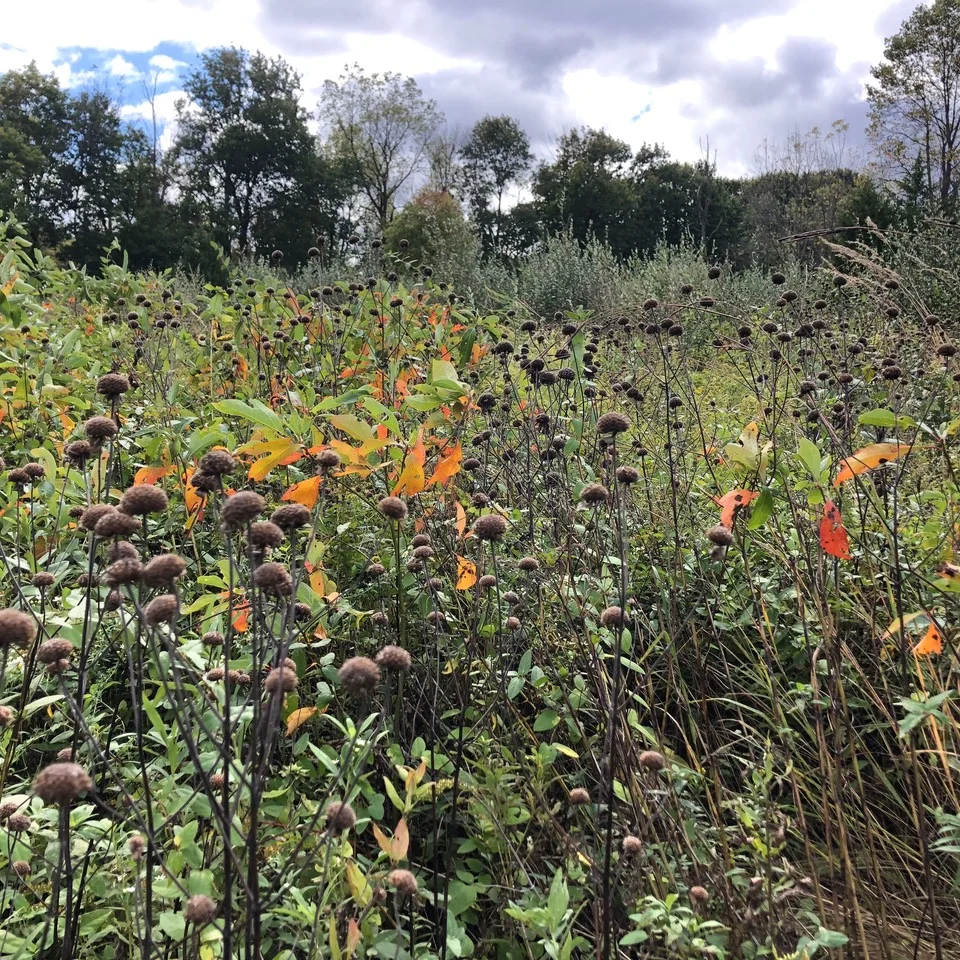
Suburban Ecology - How To Make A Difference With Your Own Yard
What does your home landscape have to do with climate change, species loss and suburban ecology? Plenty. Our home landscapes are mini eco-systems. Ecosystem you say? Yes, that’s the tiny microcosm in your own yard that supports life; the beginning of the food web for insects, bees, and caterpillars up through birds and small mammals.
What does your home landscape have to do with climate change, species loss and suburban ecology? Plenty. Our home landscapes are mini eco-systems. Ecosystem you say? Yes, that’s the tiny microcosm in your own yard that supports life; the beginning of the food web for insects, bees, and caterpillars up through birds and small mammals. (Your yard can also replenish oxygen, sequester carbon, recharge and filter groundwater and moderate weather extremes, but all that for another day.)
Suburban Ecology - What You Can Do
Most of us enjoy our gardens, but there’s a lot you can do to make your garden and landscape more friendly to our ecosystem. You see, the pollinators not only ensure we have food to eat but they also ensure that your shrubs set fruit, which the birds are going to need in the fall. By increasing your backyard biodiversity, you are playing a big role in combating species loss. What this means for our home gardens is that we need to plant more variety and more natives. Eliminating all or most of the lawn in your front yard is also a great way to invite more wildlife to your home. And let’s face it, most suburban front yards aren’t large enough to be useful play areas anyway.

Suburban Ecology - Planting more native plant and flowers
I am a landscape architect with an environmental science background. I love good design, but I want to practice it in harmony with the world around me. At my house we removed our front lawn 20 years ago and heavily planted it. Then we moved to the back and slowly over time, much of my lawn there is disappearing too. As I continually bring home new plants to try out, I inadvertently increased the biodiversity of my own yard. From a sterile green lawn, to a plot with many trees, evergreens, shrubs and perennials. So many layers create many chances for life. My yard these days is teaming with birds, pollinators, and bugs. And I enjoy them all.

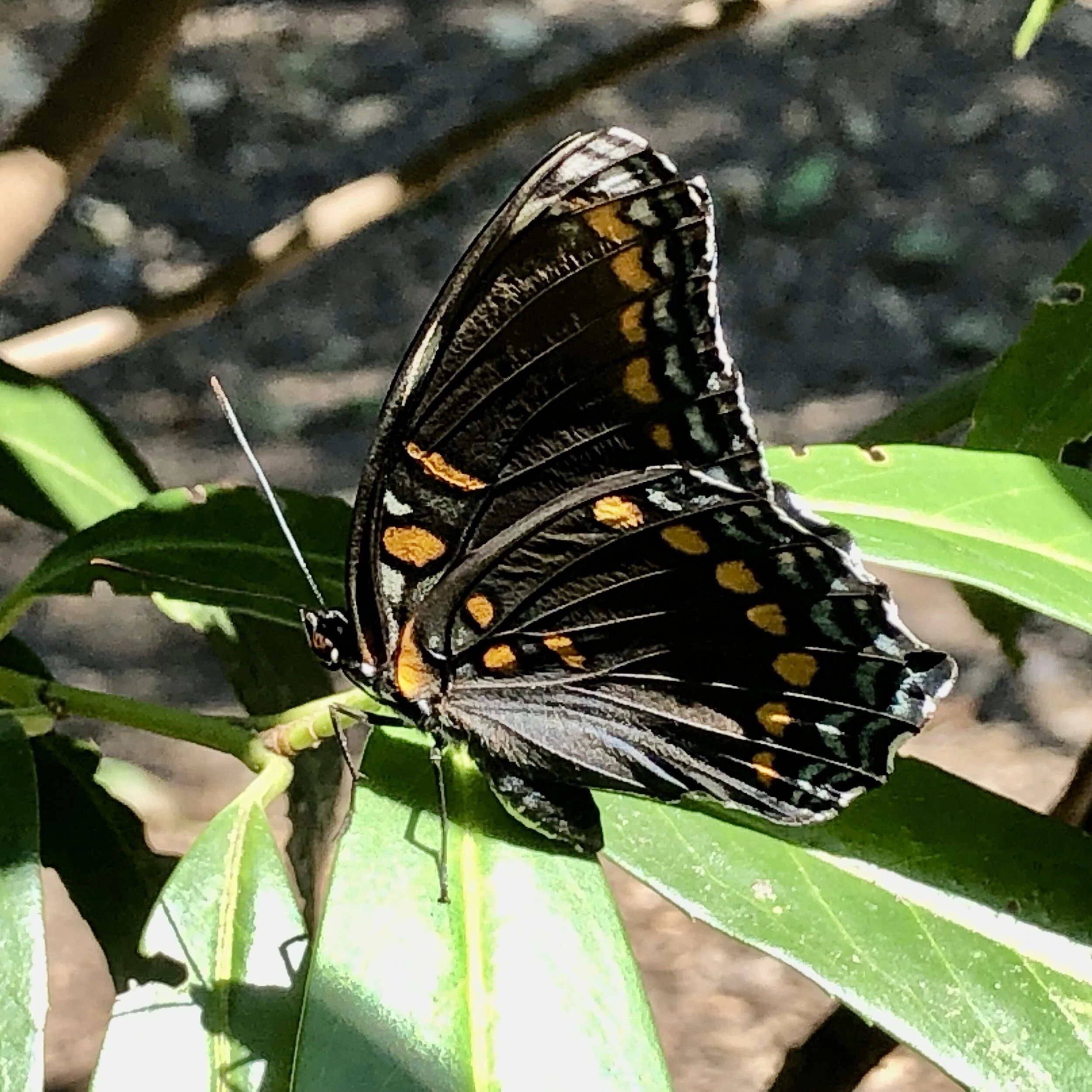
Suburban Ecology - One of the many moths in my garden
How We Can Make a Difference With Suburban Ecology?
We are in precarious times, and sometimes feel we cannot make a difference. What can one person do? How can what I do at home make a difference? I’m here to tell you, it can, you can with a little suburban ecology. While we wait for the politicians to do nothing, we can each do something that, collectively, is a lot.
For example, since the 80’s, Monarch butterfly numbers plummeted by 90%. That’s a shocking number. But this year their numbers are climbing up. I’m sure you’ve seen some this fall. This happened all because a call went out to you and me to plant more milkweed, the only plant they lay their eggs on. Homeowners, as well as D.O.T.’s in all 50 states planted milkweed like crazy, and guess what? We did it. And this year their numbers are up, by 300% since 2014! So yes suburban homeowners can make a difference. In fact, we have to.
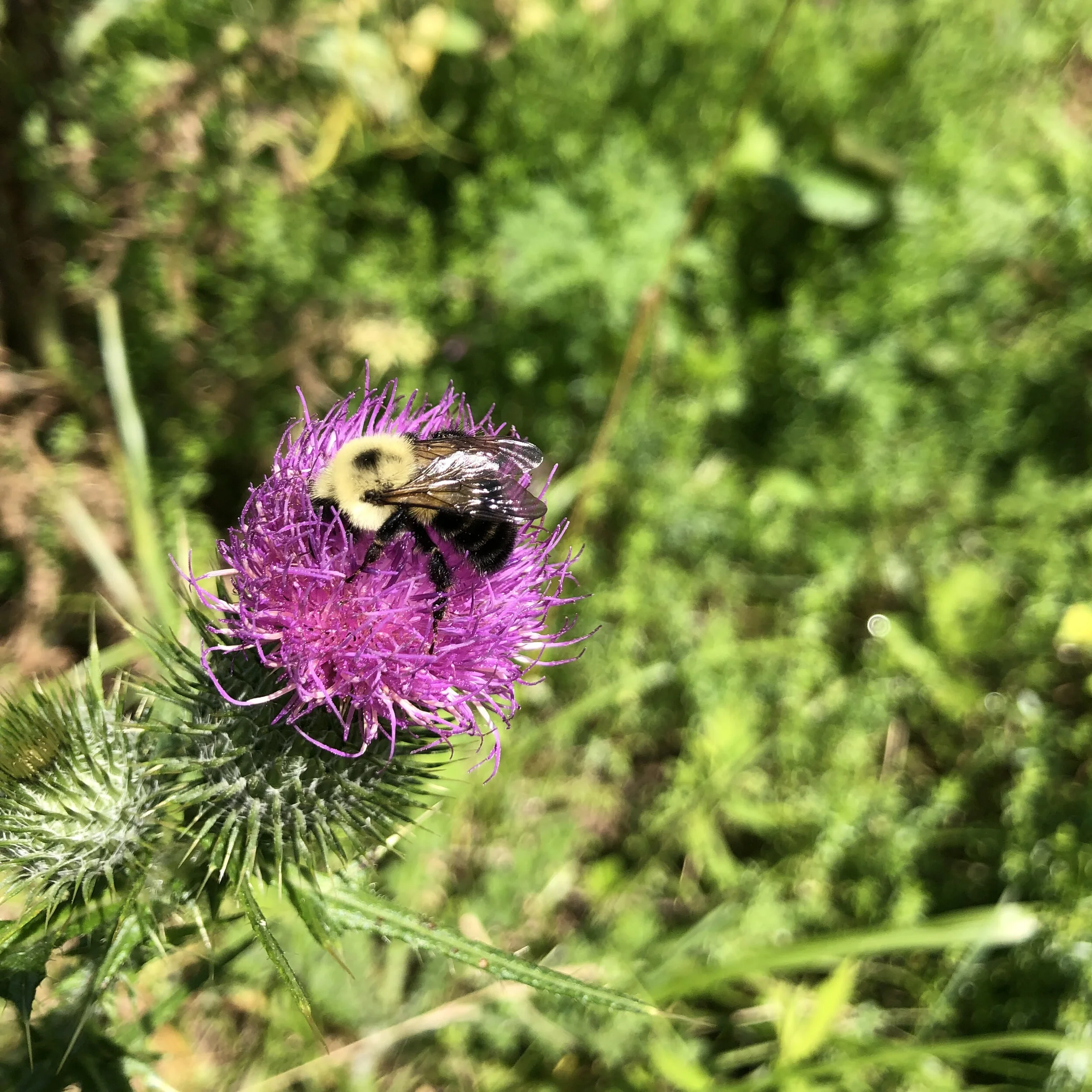
Right now, all our pollinators are in decline. Pesticides are a big factor. While honeybees are a big part of food crop pollination, bumblebees are hugely important pollinators in our ecosystems; they are helping plants reproduce. Plants and insects evolved together in a symbiotic relationship, where each is served.
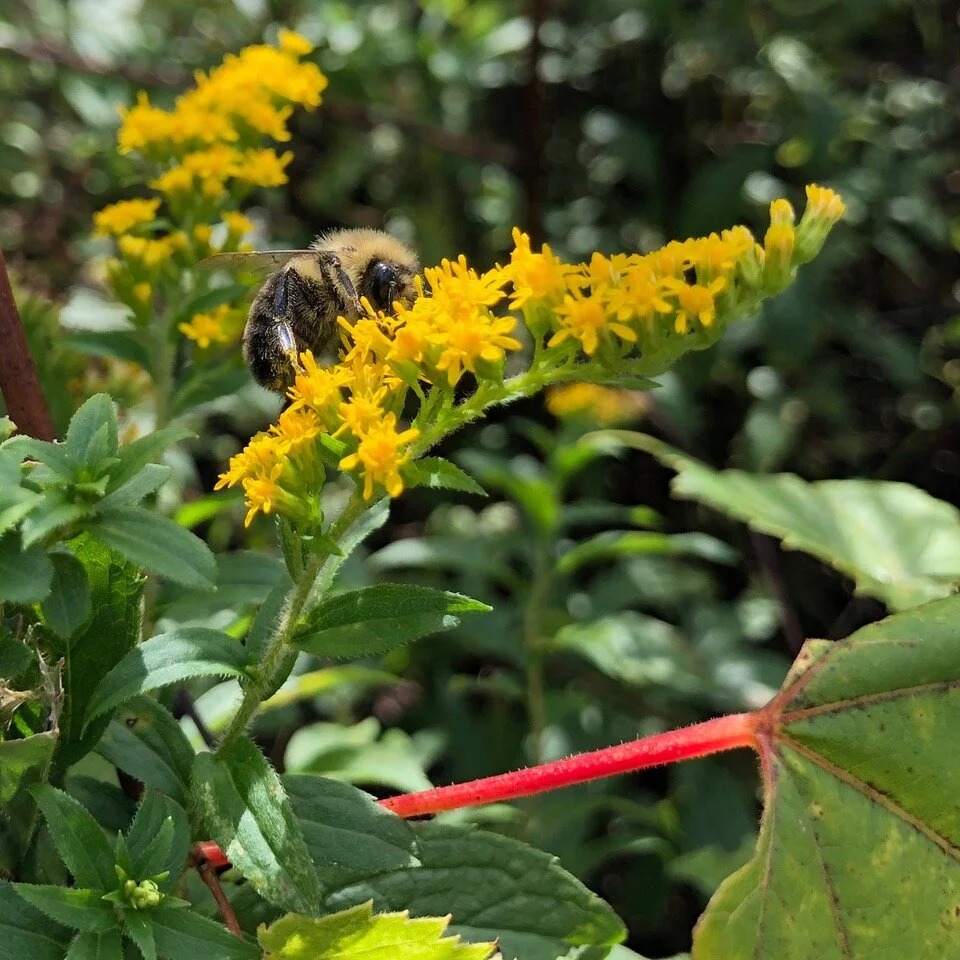
Suburban Ecology - Bee pollinating a plant
Of the hundreds of species of bombus (bumblebees), they can be categorized into three different tongue lengths. Why is this important? Well the long tongue bees are in most danger, so we should be thinking of plantings with tubular flowers so they can get the nectar they need, and different plants for their pollen. (See Beecology Project here - https://beecology.wpi.edu/website/home).
Suburban Ecology - Your Yard
So back to your yard. Think of it as a mini ecosystem, and what you can do to enhance it. It will reward you in spades, I promise. Planting more natives is a good place to start.
With 75 million suburban homes in the United States (146,000 in Morris County), imagine what would happen if every homeowner did just one or two things to make their landscapes more diverse. Suburban ecology. Let’s do more.
If you have any questions or anything to add about suburban ecology please comment below. I would love to hear!
Carolle
Keep up-to-date with my garden and projects on Instagram