
Exotic Invasives & Deer - How They Are Changing Ecosystems In New Jersey
There are plants you should never purchase or plant, exotic invasives are one of them. Japanese Barberry and Burning Bush are some in my New Jersey area that are causing damage. These plants should never be sold either, but they are still staples in some nurseries.
Exotic Invasives In New Jersey
There are plants you should never purchase or plant, exotic invasives are one of them. Japanese Barberry and Burning Bush are some in my New Jersey area that are causing damage. These plants should never be sold either, but they are still staples in some nurseries. Japanese Barberry is an ‘exotic invasive’. Exotic, because it comes from a far away country. Invasive because it spreads rapidly because of a lack of predators. In New Jersey, it has taken over many parts of our woods. Japanese Barberry is thorny, so the deer don’t it eat. It also has berries that the birds like. So in the fall, the birds eat the berries. The acid in their stomachs breaks down the outer coating. Then the seed gets pooped out as the birds are flying, and they germinate everywhere. The reason they are able to grow is because the deer have eaten all the native plants; perennials, shrubs and small trees. This has left bare places for this exotic invasive plant to exploit. And it does it well. I walk my dog in the small woods near my home every morning. 30 years ago it was a diverse woods. There were many species of trees, mostly birch, beach and oak. The understory was also diverse with viburnum, chokeberry, witch hazel and azaleas. Today most of the native understory has been eaten by an out of control deer population, and in its place has grown, you guessed it, exotic invasives. Japanese Barberry, Japanese Knotweed and Burning Bush, from Asia. Believe it or not, these were all brought here on purpose as ornamental plants for use in our gardens, back in the 1800’s. Even then, while they might have escaped into our woods, they did not thrive or survive. There was too much competition from our native plants. What happened? Deer.

Exotic Invasives & Deer - How They Are Changing Ecosystems In New Jersey - Walking My Dog In The Small Woods Near My Home
Deer, Exotic Invasives & Changing Ecosystems
People assume we caused the deer problem by developing the woods where they lived, thus reducing their habitats and forcing them into suburbia. The truth is, all that development has been great for the deer. They thrive on it. They live on the edges of the forests, and by carving out the forests to build homes, we have created many more ‘edges’. Then we landscaped our yards with their favorite foods. Much of our woods have passed the tipping point. There are no new trees growing to replace all the old ones that are aging out or we’ve lost in recent storms. They get eaten before they are tall enough to survive. The natives have been decimated, and with their disappearance, the rest of the eco system is changing too.
Now the ecosystem starts to shift. The insect populations that depend on the native shrubs disappear. The birds and rodents that survived on these insects move on. The hope is that these creatures will adapt to the new ‘normal’ but the evidence is not in.
These plants have been banned from the nursery trade for several years in Connecticut and Massachusetts. More recently New York state has banned them too. My home state of NJ has been talking about it for years but has not made a move yet. Why? I suspect its the nursery trade. People say they use Japanese barberry because it is the only plant that has great red color that the deer won’t eat.
Great Alternatives To The Exotic Invasives
I say, plant Sambucus. Gardeners plant burning bush, Euonymous alatus for its brilliant red fall color. You see it in mass in corporate parking lots. Well the native fragrant Sumac, Rhus aromatica, will give you the same great color, and also become habitat and food for important pollinators like bees, small mammals and birds. As will sweetshrub and blueberries. There are always alternatives to replace these exotic invasive plant species.

A Euonymous alatus (Burning Bush)- Exotic Invasives & Deer - How They Are Changing Ecosystems In New Jersey
The Purple Loosestrife In New Jersey
Years ago, when I learned of the destruction that Purple Loosestrife was causing in my NJ wetlands, and that New York State spend approximately 45 million every year trying to rid itself of this plant, I thought it would be hard to stop using it. It has great purple flowers and blooms for a long long time. Well its been 20 years, and I have never used it and in fact have found myself pulling it out of gardens and fields whenever I see it.

The Purple Loosestrife - Exotic Invasives & Deer - How They Are Changing Ecosystems In New Jersey
It is simple, you would not ingest a dangerous substance, or feed it to your family. Don’t plant anything on your States Exotic Invasive plant list.
If you have any questions or anything to add about exotic invasives please comment below. I would love to hear!
You can also see how I deliver sustainability in home landscapes here.
Carolle
Keep up-to-date with my garden and projects on Instagram






Why Keep Bees? The Benefits Are Endless
Why keep bees? Well the more you know about bees and colony life the more amazing you will find them. They get most of their resources from flowers so as a result, the colony follows the life cycle of flowering plants. In spring they build up their work force by hatching babies. In the summer when flowers are most abundant they ramp up resource collection and are most active.
Amazing Bees
Why keep bees? Well the more you know about bees and colony life the more amazing you will find them. They get most of their resources from flowers so as a result, the colony follows the life cycle of flowering plants. In spring they build up their work force by hatching babies. In the summer when flowers are most abundant they ramp up resource collection and are most active. In fall, they slow down as temps get cooler and flowers are less available. They kick out the drones, or males, at the end of the season so they don’t have to share honey over the winter, thus ensuring enough for the queen and her girls.

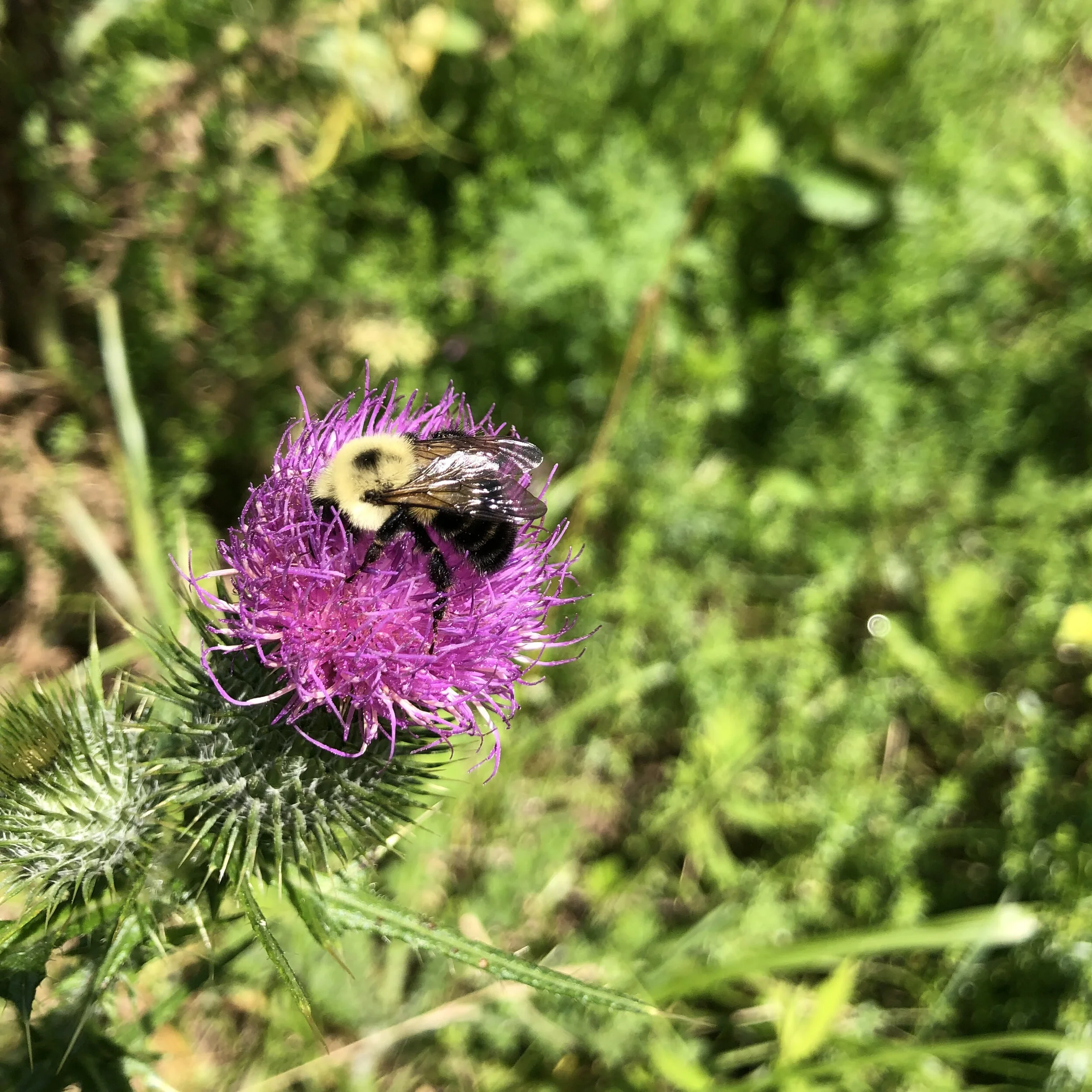
Why Keep Bees? - A Bee Pollinating A Flower In My Back Yard
The Hive
Hives have a single queen. She is larger. Her job is to lay eggs. A working hive can get up to 60,000 strong. If supplies are plentiful, the hive may swarm. Swarming is half the hive plus the queen leaving for a new home. They usually leave the hive, gather on a high branch or side of a building and form a bee ball. They send out scouts to look for a new place to live. While they are swarming, they are not dangerous, as they have no honey to protect. They will usually be gone in 2 days. The remaining bees grow a new queen by simply changing the position of the larva in a cell and feeding her royal jelly.


Why We Should Keep Bees
Bees will travel up to 2 miles away for pollen and nectar. In return for this, the flowers get pollinated. Bees, along with other pollinators pollinate more than 33% of the food we eat. They help all plants reproduce, not just food crops which is another great reason why keeping bees is so important. But bee populations are in danger. There is not one cause, but many. For bees, it is pesticide poisoning from local field crops and home gardens, a parasitic Varroa mite, the single-crop planting of most large farms now days, and climate change, which disrupts the timing between bees and bloom.
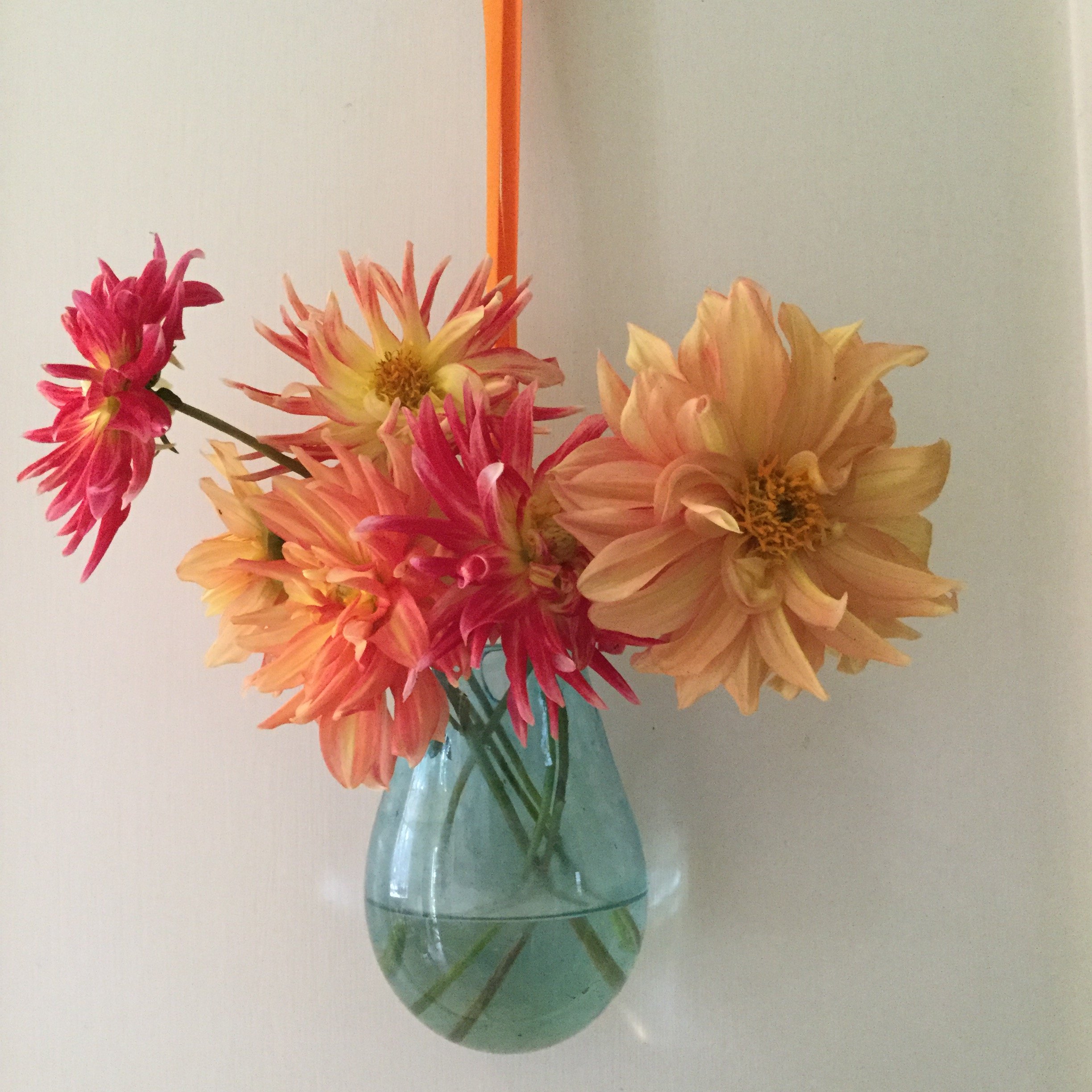
One way to help is to keep bees. Watching these amazing creatures is not only educational, but also humbling and rewarding. Honey is just a bonus (also wax, propolis, pollen and Royal jelly). Another way to help is to support local pollinator populations by by planting diverse plants in your garden, with flowers from early spring; silver maple and pussy willows, to late fall; asters and dahlias.
You can read more about my garden and the sustainable landscapes that I design by clicking the text links.
If you have any questions or comments to add, I would love to hear so please do so just below.
Carolle
Keep up-to-date with my garden and projects on Instagram

Ban Chemicals From Your Garden - How I Promote Living Landscapes
I’m not sure how you feel about a ban on chemicals in your garden? But there is no place for chemicals in my yard. We are always barefoot on our lawn, we have a dog and honeybees. The lawn is green, but certainly not weed free. I try and pull out the most annoying weeds, usually after a good rain.
Banning Chemicals From My Garden
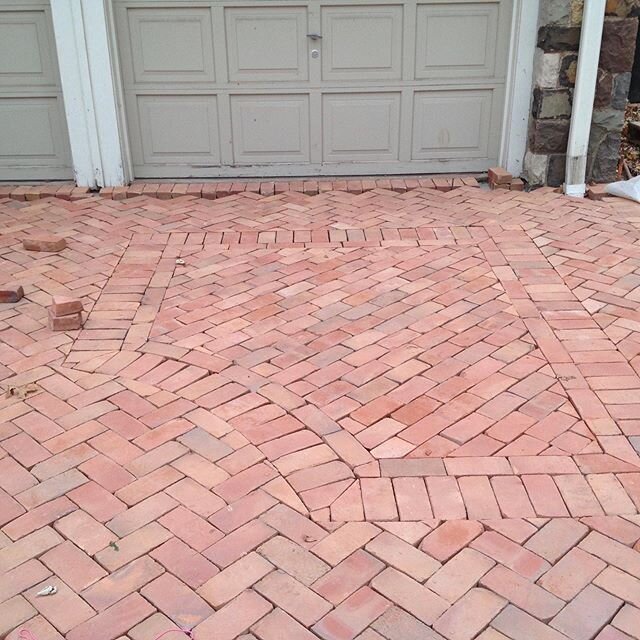
I’m not sure how you feel about a ban on chemicals in your garden, but there is no place for chemicals in my yard. We are always barefoot on our lawn, we have a dog and honeybees. The lawn is green, but certainly not weed free. I try and pull out the most annoying weeds, usually after a good rain. Purslane, creeping ivy. If there is a spot where the lawn does not do well, I plant white clover. I fertilize my beds with compost and mulch. What was once almost impossible to dig in is now black and rich with worms and easy to work. If I were to spray any leaf with an insecticide, I’d risk loosing my whole bee hive, so we live with some bugs. For some, spraying them with a soapy mixture usually does the trick, but actually those aphids are hummingbird food so I usually let them stay. It is a bad idea to expect and want a perfectly manicured, bug and weed free landscape. I spray the weeds between the cracks of my brick patio with a vinegar blend I mix up. It works almost as well as Glyphosate (the main ingredient in RoundUp), and, like RoundUp, is not linked to cancer. In October 2018, a Northern California judge upheld a previous verdict that found that Monsanto’s weed killer Roundup caused cancer. The plaintiff was awarded $78 million.


Ban Chemicals From Your Garden - The Effects Of Glyphosate
Glyphosate works by blocking an enzyme pathway that allows plants to form amino acids, the stuff they need to grow. It also keeps them from taking up the nutrients they need from the soil. It weakens the plant. It does the same to your dog. While we all now have trace amounts of Glyphosate in our urine, our pets have up to 5,000% more. This dramatically increases their chances of getting lymphoma.
Living Landscapes
The sooner we can collectively wrap our heads around the idea of a living landscape, the better off we all will be. We must understand the impact of our actions, in our lives and in our gardens. Just as we continue to strive for wellness in our bodies, so should we in our built environment by banning chemicals from our gardens. I believe we need to treat our world better. I know it will return the favor.
If you have any questions or anything to add please comment below. I would love to hear!
Carolle

How I Deliver Sustainability In Home Landscapes
In my work, I want to help you, the average homeowner become as sustainable as you can on your small piece of this third planet from the sun we call home. It can sometimes feel impossible to make a difference, but if everyone of the 75 million single family in suburban homes in the US were to make a small effort, real change can be made.
Sustainability
The ’S’ word. Over used and not understood, especially sustainability in home landscapes. Frequently used to green-wash a product (present an environmentally responsible public image with disinformation). The common definition of a sustainability is “meeting the needs of the present without compromising the ability of future generations to meet their needs”. The Native American Iroquois are credited with promoting a similar sentiment, "In every deliberation, we must consider the impact on the seventh generation... “. How great if we would all think this before every decision or purchase we make; how this decision will impact our families 7 generations down the line.
My favorite definition is from William McDonough, the architect that was involved in the budding green movement back in the 70’s. “How do we love all children, of all species, of all time?” In other words, we have to think about more than just the humans.


Home Landscapes And Sustainability - How I Deliver
In my work, I want to help you, the average homeowner become as sustainable as you can on your small piece of this third planet from the sun we call home. It can sometimes feel impossible to make a difference, but if every one of the 75 million single family homes in the suburban US were to make a small effort, real change can be made.
In our home landscapes, when we think about that definition “How do we love all children, of all species, of all time?” we should think about the smallest of creatures, the insects. If we can create habitable homes for them in our landscapes, they will in turn will pollinate our fruits, flowers and vegetables, provide honey, break down and dispose of waste, and become a food source for many reptiles, birds and mammals. They are the ‘canary in the coal mine’, or keystone species as scientists would say. The ecosystem is dependent on them.
Sustainable Design
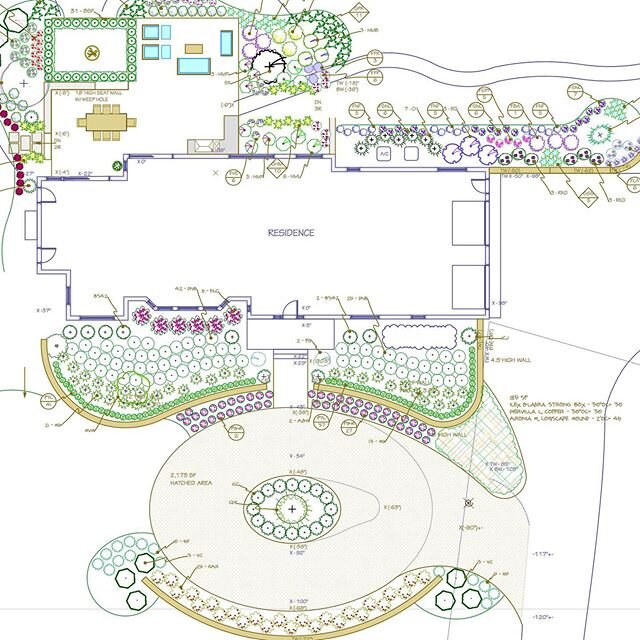
For me, sustainable design in home landscapes is simply good design guided by solid environmental goals. Sustainable design, or “green” design, is what landscape architects have been educated and trained to do. We take careful site and resource analyses, along with site planning and design, to make the most of a given place. The green revolution has opened up the conversation, giving our clients a common language and us an opportunity to educate them. Let's plant more native plants. Let's do better storm water management – with rain gardens and green roofs, and let's tread more lightly on the earth. Let's plant more trees.
If you have any questions or comments please add them below. I would love to hear them!
Carolle

I Just Bought This PLANT … The Dutchman's Pipe Vine
I bought the Dutchman’s Pipe Vine because it is the host plant for the Pipevine Swallowtail, which is an unbelievably beautiful iridescent-blue butterfly. Being a host plant for such a beautiful butterfly, I definitely want in my garden...
Dutchman's Pipe Vine - A Butterfly Plant
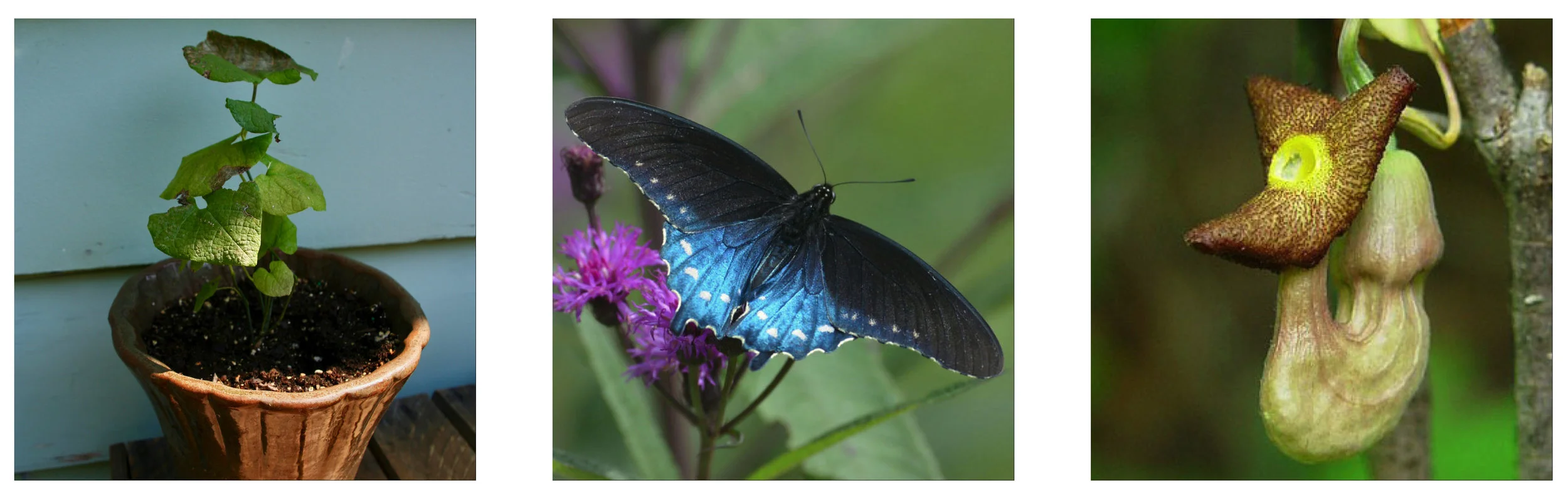
It came in the mail from Hirt’s Gardens in Medina Ohio. It is a Dutchman’s Pipe Vine. I bought it because it is the host plant for the Pipevine Swallowtail, which is an unbelievably beautiful iridescent-blue butterfly. Being a host plant for such a beautiful butterfly, I definitely want in my garden. It is a fast growing vine that gets up to 35’ so I need to find a good spot for it.
Dutchman's Pipe
The flower does look pipe like… but the latin name, Aristolochia, is much more interesting; who ever named it thought the flower looked like the best (aristos) human fetus (locheia). I tend to agree with the latin name, at lease as it refers to the human body because you don’t see this flower and not feel a little weird, like you should turn away.
Butterfly Plant - Attracting Butterflies
To attract butterflies you need to provide a ‘host’ plant and a nectar source. The nectar source is easy, most native perennials will do, but especially Penstemon, Liatris, Monarda, Eupatorium and Asclepias. These will do as food source for most butterflies. But they get fussy about where they will lay their eggs.
The Pipevine Swallowtail will only lay her eggs on the underside of the Dutchman’s Pipe Vine leaves. Once hatched, the caterpillars feed on these leaves. They overwinter as a chrysalis and emerge in the spring.
The North American Butterfly Association’s website, www.naba.org, can help you out with host and nectar plants. Once you know the plants you need, plant lots. One or two won’t do. Plant masses. Especially for the host plant.
Next I am going to increase my Milkweed numbers and help out the Monarchs. They cannot survive without Milkweed. Butterfly Milkweed, Swamp Milkweed, and Common Milkweed. Its where they lay their eggs, and the caterpillars feed. And it is a nectar source for many other butterflies as well.
Supporting butterflies and other pollinators not only brings beauty to your garden, it supports their usefulness as pollinators for our food crops.
Do you have a Dutchman’s Pipe Vine in your garden? Is there anything you would like to add or questions you would like to ask? You can do so in the comments just below this post!
Read more about my new sustainable landscapes blog HERE.
Carolle
Keep up-to-date with my garden and projects on Instagram

Sustainable Landscapes - An Intro To Me, Carolle Huber And My Blog
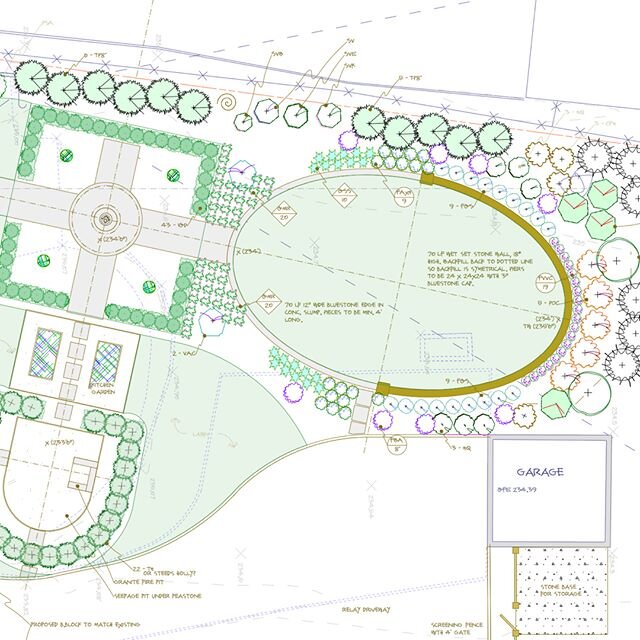
Designing and implementing sustainable landscapes for 30 years. I have noticed a dramatic increase in the willingness of my clients to install healthier eco landscapes. I am delighted to introduce myself, my home and tell a little of my story in my very first of a long line of blog posts, all of which I hope will help and inspire…
Several years ago, heading to a favorite hike with family, we passed a pull off in the road we had walked past tons of times. There was some road construction that had just been completed and the Public Works Department landscaped a small disturbed area near the pull off. I’m not sure what the impetus was to landscape a tiny area off a country road in the middle of no where, but it can be a busy road during hiking season. The planting was a small Blue Spruce and two Japanese Barberries. Walking past I exclaimed my dismay to my hiking party, my then 15 year old daughter Ruby, my sister and three niece’s. I told them about the problems exotic invasive like barberry are causing our ecosystems. The girls were incredulous! They understood! Then they said we needed to pull the barberry out and save the woods. That night, after we purchased some Native Blacks-eyed Susan’s (Rudbeckia fulgida), we plotted our assault. At dusk, dressed all in black, we waked back up the road. We removed the Barberry and planted Rudbeckia in its place, never having to use plan B, which involved diving into the woods when our lookout spotted a car. Illegal… possibly. Immoral…hell no. Those plants are thriving today, and I think not only was it was a great lesson to share with our next generation of environmentalists but it sparked a passion for sustainable landscapes…
Sustainable Landscapes to Inspire - My home
In New Jersey, I have a typical 1920’s suburban lot. 50’x100’. It is small, manageable and alive. I say this with pride, because 18 years ago when we purchased the dilapidated home, there was one boxwood in back, and several Japanese Barberry in front, which, for reasons you will learn soon enough, I pulled out even before we moved in. And yes, I have a bit of the shoemakers daughter syndrome. My gardens are not always good models of great design. I bring too many plants home to try out. I sometimes don’t water enough, and I certainly don’t pull weeds enough. I have come to realize that’s OK too.
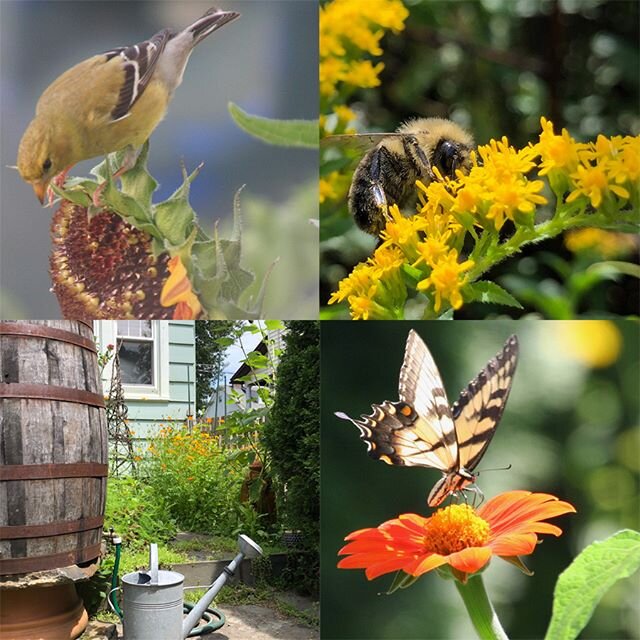
I have a home office, and whenever I need a break, a short time spent in my backyard always calms me. I love to see who is visiting my garden each day. I grow sunflowers outside my office window so I can watch woodpeckers on the nodding heads, pulling out seeds as they both sway.
Dried coneflower seed heads are Goldfinch magnets, and butterflies I don’t even know the names of visit my bee balm all summer.
Connecting with nature, even in small ways, benefits us. It calms and focus’ our minds and lowers stress levels. When my husband Max comes home from work in the summertime, before he even comes into the house, he sits for several minutes in front of his bee hive. Watching the bees coming home laden with pollen is calming. Sometimes they are so over loaded these girls almost seem drunk on pollen, crashing down towards the door like a tipsy pilot barely able to navigate from the weight of it.


Sustainable Landscapes that Inspire - My Story
I have been designing landscapes for 30 years. In the last few years I have noticed a dramatic increase in the willingness of my clients to install healthier, sustainable landscapes. The plants in our garden, or any garden or woods for that matter, perform what we call ecosystem services. They protect our watersheds, cool and clean our air, enrich and stabilize the soil we grow our food in, and sequester carbon. Whatever we do, in addition to doing less damage, lets reverse some of the damage that has already been done. It really is this simple: We are all connected. Everything we do has an effect on others. What we need to do is to remember this phrase every time we have a decision to make. I try to reflect on this each time I prepare a landscape plan. Let's plant more native plants. Let's do better storm water management – with rain gardens and green roofs, and let's tread more lightly on the earth. Let's plant more trees. It is easier than you think.


And once you have a more natural or ‘greener’ landscape you will be rewarded with more life in your back yard, more birds, butterflies and other pollinators, more wildlife in general.
I hope you have enjoyed this introduction to my sustainable landscapes blog, this is the very start of lots more to follow from me.
You can check out some great examples of my landscaping projects right here.
If you have any questions or comments to add, I would love to hear so please do so just below.
Carolle