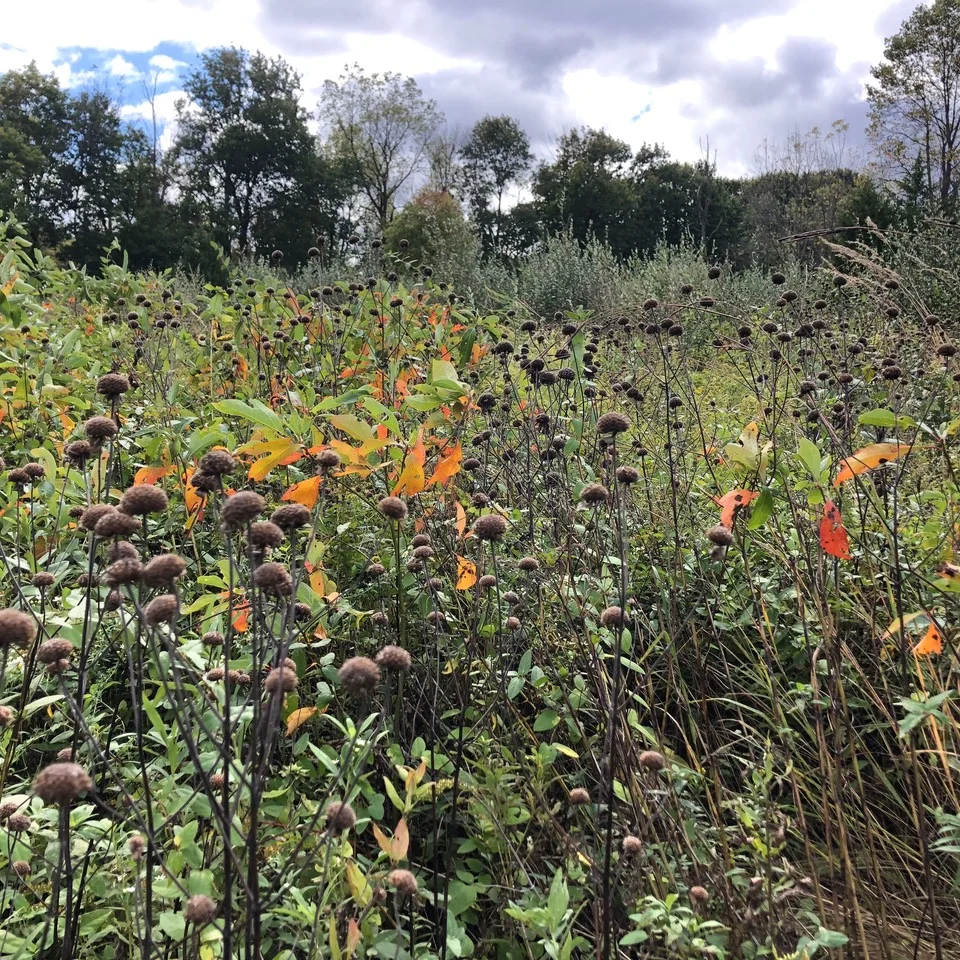
Suburban Ecology - How To Make A Difference With Your Own Yard
What does your home landscape have to do with climate change, species loss and suburban ecology? Plenty. Our home landscapes are mini eco-systems. Ecosystem you say? Yes, that’s the tiny microcosm in your own yard that supports life; the beginning of the food web for insects, bees, and caterpillars up through birds and small mammals.
What does your home landscape have to do with climate change, species loss and suburban ecology? Plenty. Our home landscapes are mini eco-systems. Ecosystem you say? Yes, that’s the tiny microcosm in your own yard that supports life; the beginning of the food web for insects, bees, and caterpillars up through birds and small mammals. (Your yard can also replenish oxygen, sequester carbon, recharge and filter groundwater and moderate weather extremes, but all that for another day.)
Suburban Ecology - What You Can Do
Most of us enjoy our gardens, but there’s a lot you can do to make your garden and landscape more friendly to our ecosystem. You see, the pollinators not only ensure we have food to eat but they also ensure that your shrubs set fruit, which the birds are going to need in the fall. By increasing your backyard biodiversity, you are playing a big role in combating species loss. What this means for our home gardens is that we need to plant more variety and more natives. Eliminating all or most of the lawn in your front yard is also a great way to invite more wildlife to your home. And let’s face it, most suburban front yards aren’t large enough to be useful play areas anyway.

Suburban Ecology - Planting more native plant and flowers
I am a landscape architect with an environmental science background. I love good design, but I want to practice it in harmony with the world around me. At my house we removed our front lawn 20 years ago and heavily planted it. Then we moved to the back and slowly over time, much of my lawn there is disappearing too. As I continually bring home new plants to try out, I inadvertently increased the biodiversity of my own yard. From a sterile green lawn, to a plot with many trees, evergreens, shrubs and perennials. So many layers create many chances for life. My yard these days is teaming with birds, pollinators, and bugs. And I enjoy them all.

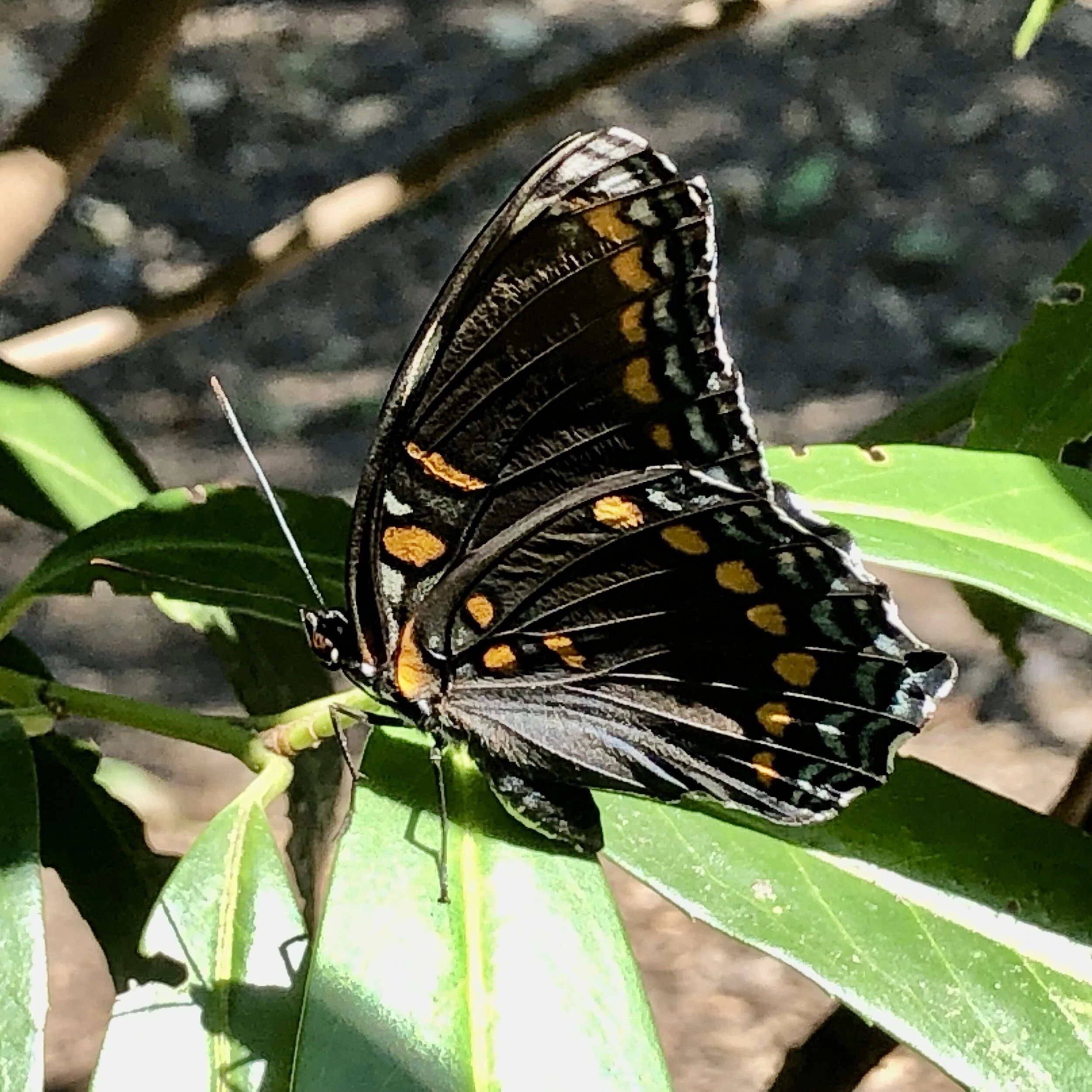
Suburban Ecology - One of the many moths in my garden
How We Can Make a Difference With Suburban Ecology?
We are in precarious times, and sometimes feel we cannot make a difference. What can one person do? How can what I do at home make a difference? I’m here to tell you, it can, you can with a little suburban ecology. While we wait for the politicians to do nothing, we can each do something that, collectively, is a lot.
For example, since the 80’s, Monarch butterfly numbers plummeted by 90%. That’s a shocking number. But this year their numbers are climbing up. I’m sure you’ve seen some this fall. This happened all because a call went out to you and me to plant more milkweed, the only plant they lay their eggs on. Homeowners, as well as D.O.T.’s in all 50 states planted milkweed like crazy, and guess what? We did it. And this year their numbers are up, by 300% since 2014! So yes suburban homeowners can make a difference. In fact, we have to.
Right now, all our pollinators are in decline. Pesticides are a big factor. While honeybees are a big part of food crop pollination, bumblebees are hugely important pollinators in our ecosystems; they are helping plants reproduce. Plants and insects evolved together in a symbiotic relationship, where each is served.
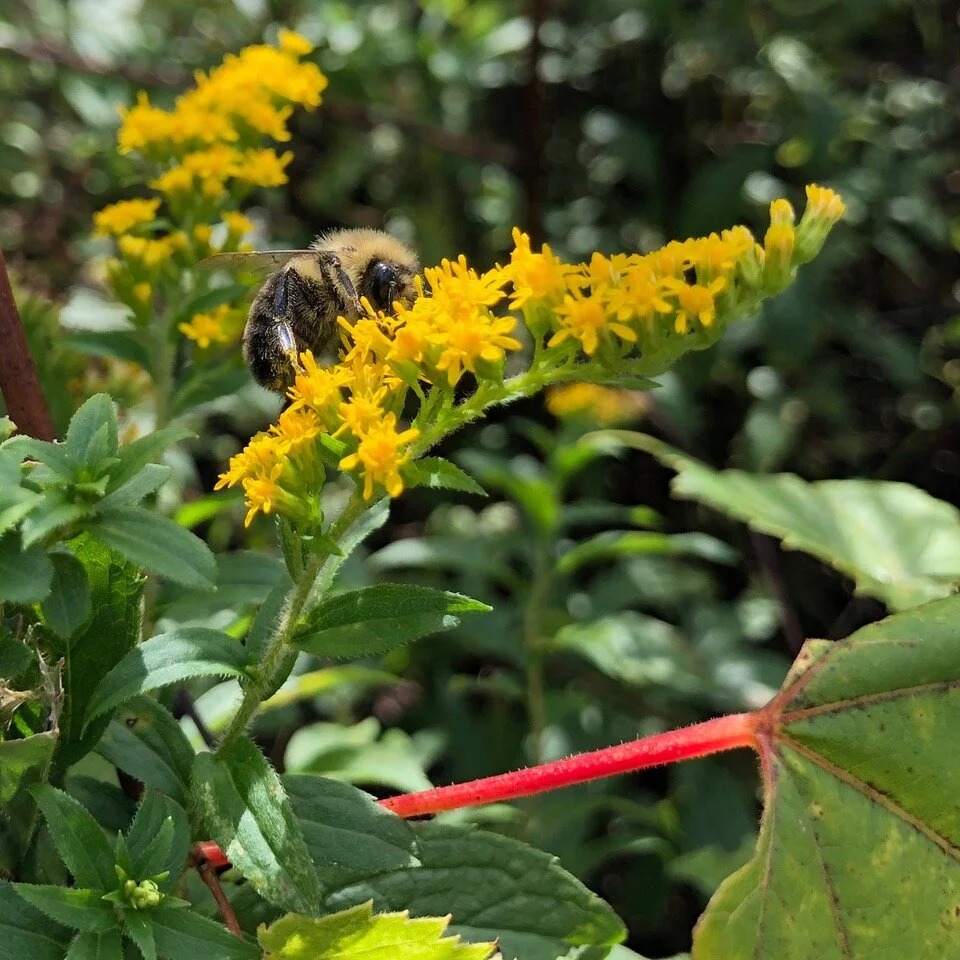
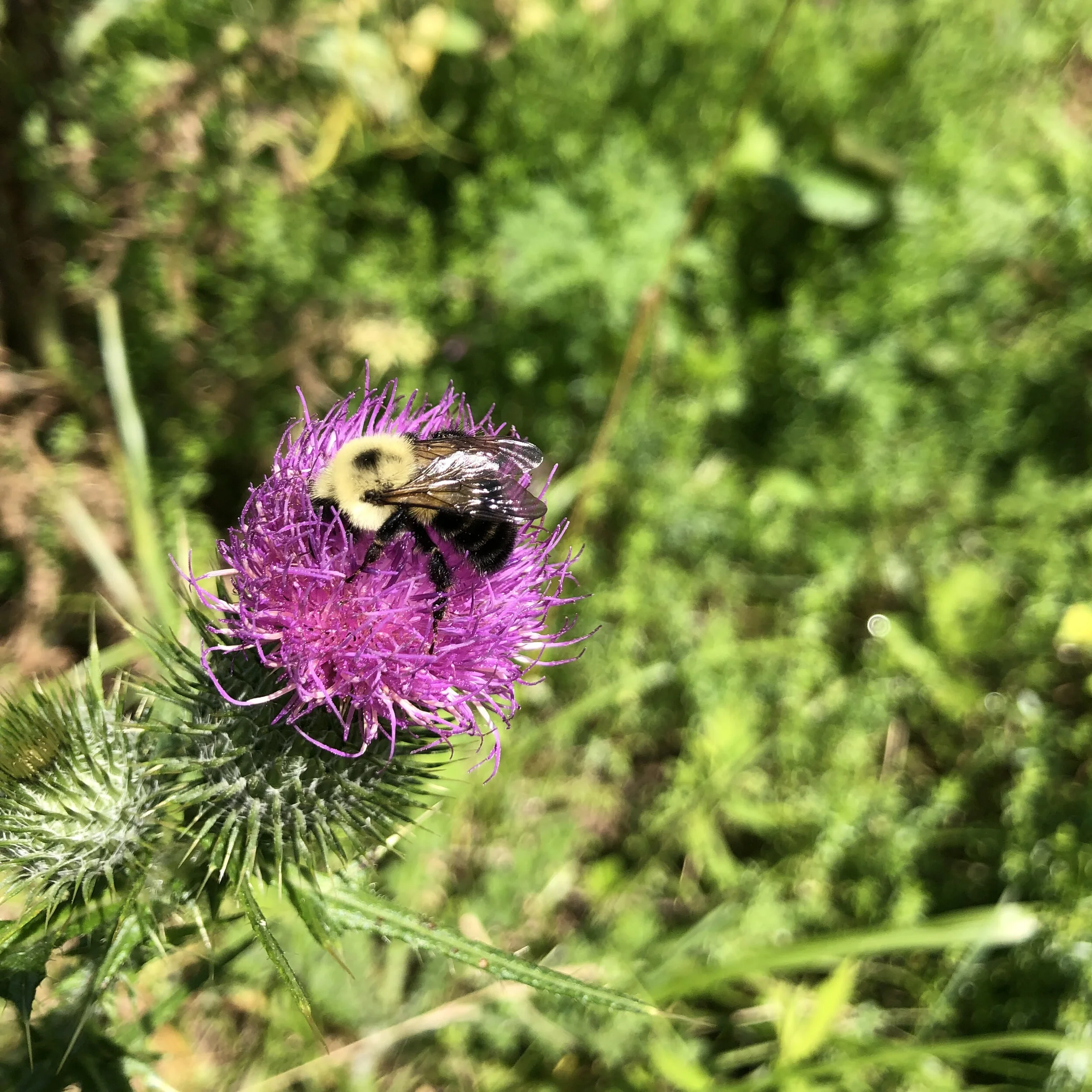
Suburban Ecology - Bee pollinating a plant
Of the hundreds of species of bombus (bumblebees), they can be categorized into three different tongue lengths. Why is this important? Well the long tongue bees are in most danger, so we should be thinking of plantings with tubular flowers so they can get the nectar they need, and different plants for their pollen. (See Beecology Project here - https://beecology.wpi.edu/website/home).
Suburban Ecology - Your Yard
So back to your yard. Think of it as a mini ecosystem, and what you can do to enhance it. It will reward you in spades, I promise. Planting more natives is a good place to start.
With 75 million suburban homes in the United States (146,000 in Morris County), imagine what would happen if every homeowner did just one or two things to make their landscapes more diverse. Suburban ecology. Let’s do more.
If you have any questions or anything to add about suburban ecology please comment below. I would love to hear!
Carolle
Keep up-to-date with my garden and projects on Instagram






My Tips For Preparing Your Garden For Winter; Do Less!
Fall. The beginning of the end of my gardening season. Time for fall clean up and start preparing my garden for winter. Now days I clean up a lot less and I’m asking you to do the same when preparing your garden for winter (or a lot less where you can). By leaving those perennial and grass seed heads alone, you are providing the birds much needed food in winter.
Fall. The beginning of the end of my gardening season. Time for fall clean up and start preparing my garden for winter. Its been dry the last few weeks and my husband Max is pointing out that some plants are looking sad. He helps by pointing these things out, but not actually helping. In the past I’d go out and ‘clean up’ my garden; cut back all the perennials and grasses, rake all the leaves and debris out of beds and drag them to the street for the town to pick up. While doing this made me feel accomplished and my garden look well groomed, I was not doing great by our small insect friends, birds or even the soil.
Preparing Your Garden For Winter
We are in a global crisis of insect species loss, due to many factors. This loss of an important food source for birds is now having a huge impact on bird populations. And scientists are worried about the loss of pollinators, as insects decline.
Nowadays I clean up a lot less and I’m asking you to do the same when preparing your garden for winter (or a lot less where you can). By leaving those perennial and grass seed heads alone, you are providing the birds much needed food in winter. Coneflowers, coreopsis, beard tongue and sedum seeds are great food sources once they mature. Bluejays, cardinals and finches will stop by to feed, entertaining you with their antics. If I cut them back now I’d be taking a meal away.
Garden Beds
I don’t clean up the leaf litter in my beds either. Of course they can’t stay on my small patch of lawn all winter. That would kill it, and make Max nuts. But in my garden beds I leave most alone. All that leaf litter is where beneficial insects overwinter. While monarchs migrate to Mexico, swallowtails stick around overwintering as pupa inside a chrysalis. Clean up too well and you are dooming them. Beneficial insects overwinter as larvae, eggs, or fully formed adults. These will hatch and mature before other bad bugs like aphids arrive, and they are your first line of defense against them. Ladybugs eat 50 aphids a day or 5,000 in a lifetime! Then overwinter in the leaves and mulch that I am leaving in place. Ground beetles, green lacewings and damsel bugs do the same. They can take care of slugs, whiteflies, mites and cabbage worms. And leave some of the late season weeds. The ubiquitous clearweed and stinging nettle are host plants to many butterflies, like the beautiful Red Admiral.
Leave the leaves is a good motto. Gardens can’t get enough organic matter; it feeds the soil which in turn feeds our plants. But we remove loads of organic matter from our property when we rake our leaves to the street, only to bring mulch in in the spring. Instead of continuing this perplexing cycle, rake your leaves into a big pile on your lawn and run your mower over them several times. Then rake the shredded leaves into your garden beds. This is a great winter mulch that is fluffy enough to protect many species.
Bees And Wasps
While frightening to some, bees and wasps are also essential to a healthy ecosystem. Most of our 4000 species of native bees; mason, sweat and bumble bees, are not interested in stinging you, but will pay you back big by being much more efficient pollinators than the honey bees that Max keeps. Many hibernate in leaf piles, and a lot more in the ground. Leave the leaves. If you see a nest or hive, don’t be so quick to remove it, unless of course it is too close for comfort, but even paper wasps are beneficial. This group of insects is incredibly important to our food supply. No bees, no food, no kidding.
Birds
Another reason to care about insects is birds. While adult chickadees feed mostly on seeds, they feed their chicks almost exclusively caterpillars. If there are not enough caterpillars they cannot reproduce. So cleaning up too well can rid them of a huge food source.
Preparing Your Garden For Winter - To Round It Up
If the idea of a ‘messy’ garden does not sit well with you, pick one bed, less visible from your window and dedicate that to mess. I call this grateful exchange. It’s where you trade in your compulsive garden habits for a bit of ecosystem services that it will provide to you. So when preparing your garden for winter leave the fall clean up till spring, and help out some bugs that will help you out later; grateful exchange.
If you have any questions or anything to add about preparing your garden for winter please comment below. I would love to hear!
Learn more about me Carolle Huber and the sustainable landscapes that I design here.
Carolle
Keep up-to-date with my garden and projects on Instagram

Exotic Invasives & Deer - How They Are Changing Ecosystems In New Jersey
There are plants you should never purchase or plant, exotic invasives are one of them. Japanese Barberry and Burning Bush are some in my New Jersey area that are causing damage. These plants should never be sold either, but they are still staples in some nurseries.
Exotic Invasives In New Jersey
There are plants you should never purchase or plant, exotic invasives are one of them. Japanese Barberry and Burning Bush are some in my New Jersey area that are causing damage. These plants should never be sold either, but they are still staples in some nurseries. Japanese Barberry is an ‘exotic invasive’. Exotic, because it comes from a far away country. Invasive because it spreads rapidly because of a lack of predators. In New Jersey, it has taken over many parts of our woods. Japanese Barberry is thorny, so the deer don’t it eat. It also has berries that the birds like. So in the fall, the birds eat the berries. The acid in their stomachs breaks down the outer coating. Then the seed gets pooped out as the birds are flying, and they germinate everywhere. The reason they are able to grow is because the deer have eaten all the native plants; perennials, shrubs and small trees. This has left bare places for this exotic invasive plant to exploit. And it does it well. I walk my dog in the small woods near my home every morning. 30 years ago it was a diverse woods. There were many species of trees, mostly birch, beach and oak. The understory was also diverse with viburnum, chokeberry, witch hazel and azaleas. Today most of the native understory has been eaten by an out of control deer population, and in its place has grown, you guessed it, exotic invasives. Japanese Barberry, Japanese Knotweed and Burning Bush, from Asia. Believe it or not, these were all brought here on purpose as ornamental plants for use in our gardens, back in the 1800’s. Even then, while they might have escaped into our woods, they did not thrive or survive. There was too much competition from our native plants. What happened? Deer.

Exotic Invasives & Deer - How They Are Changing Ecosystems In New Jersey - Walking My Dog In The Small Woods Near My Home
Deer, Exotic Invasives & Changing Ecosystems
People assume we caused the deer problem by developing the woods where they lived, thus reducing their habitats and forcing them into suburbia. The truth is, all that development has been great for the deer. They thrive on it. They live on the edges of the forests, and by carving out the forests to build homes, we have created many more ‘edges’. Then we landscaped our yards with their favorite foods. Much of our woods have passed the tipping point. There are no new trees growing to replace all the old ones that are aging out or we’ve lost in recent storms. They get eaten before they are tall enough to survive. The natives have been decimated, and with their disappearance, the rest of the eco system is changing too.
Now the ecosystem starts to shift. The insect populations that depend on the native shrubs disappear. The birds and rodents that survived on these insects move on. The hope is that these creatures will adapt to the new ‘normal’ but the evidence is not in.
These plants have been banned from the nursery trade for several years in Connecticut and Massachusetts. More recently New York state has banned them too. My home state of NJ has been talking about it for years but has not made a move yet. Why? I suspect its the nursery trade. People say they use Japanese barberry because it is the only plant that has great red color that the deer won’t eat.
Great Alternatives To The Exotic Invasives
I say, plant Sambucus. Gardeners plant burning bush, Euonymous alatus for its brilliant red fall color. You see it in mass in corporate parking lots. Well the native fragrant Sumac, Rhus aromatica, will give you the same great color, and also become habitat and food for important pollinators like bees, small mammals and birds. As will sweetshrub and blueberries. There are always alternatives to replace these exotic invasive plant species.

A Euonymous alatus (Burning Bush)- Exotic Invasives & Deer - How They Are Changing Ecosystems In New Jersey
The Purple Loosestrife In New Jersey
Years ago, when I learned of the destruction that Purple Loosestrife was causing in my NJ wetlands, and that New York State spend approximately 45 million every year trying to rid itself of this plant, I thought it would be hard to stop using it. It has great purple flowers and blooms for a long long time. Well its been 20 years, and I have never used it and in fact have found myself pulling it out of gardens and fields whenever I see it.

The Purple Loosestrife - Exotic Invasives & Deer - How They Are Changing Ecosystems In New Jersey
It is simple, you would not ingest a dangerous substance, or feed it to your family. Don’t plant anything on your States Exotic Invasive plant list.
If you have any questions or anything to add about exotic invasives please comment below. I would love to hear!
You can also see how I deliver sustainability in home landscapes here.
Carolle
Keep up-to-date with my garden and projects on Instagram

Why Keep Bees? The Benefits Are Endless
Why keep bees? Well the more you know about bees and colony life the more amazing you will find them. They get most of their resources from flowers so as a result, the colony follows the life cycle of flowering plants. In spring they build up their work force by hatching babies. In the summer when flowers are most abundant they ramp up resource collection and are most active.
Amazing Bees
Why keep bees? Well the more you know about bees and colony life the more amazing you will find them. They get most of their resources from flowers so as a result, the colony follows the life cycle of flowering plants. In spring they build up their work force by hatching babies. In the summer when flowers are most abundant they ramp up resource collection and are most active. In fall, they slow down as temps get cooler and flowers are less available. They kick out the drones, or males, at the end of the season so they don’t have to share honey over the winter, thus ensuring enough for the queen and her girls.

Why Keep Bees? - A Bee Pollinating A Flower In My Back Yard
The Hive
Hives have a single queen. She is larger. Her job is to lay eggs. A working hive can get up to 60,000 strong. If supplies are plentiful, the hive may swarm. Swarming is half the hive plus the queen leaving for a new home. They usually leave the hive, gather on a high branch or side of a building and form a bee ball. They send out scouts to look for a new place to live. While they are swarming, they are not dangerous, as they have no honey to protect. They will usually be gone in 2 days. The remaining bees grow a new queen by simply changing the position of the larva in a cell and feeding her royal jelly.


Why We Should Keep Bees
Bees will travel up to 2 miles away for pollen and nectar. In return for this, the flowers get pollinated. Bees, along with other pollinators pollinate more than 33% of the food we eat. They help all plants reproduce, not just food crops which is another great reason why keeping bees is so important. But bee populations are in danger. There is not one cause, but many. For bees, it is pesticide poisoning from local field crops and home gardens, a parasitic Varroa mite, the single-crop planting of most large farms now days, and climate change, which disrupts the timing between bees and bloom.
One way to help is to keep bees. Watching these amazing creatures is not only educational, but also humbling and rewarding. Honey is just a bonus (also wax, propolis, pollen and Royal jelly). Another way to help is to support local pollinator populations by by planting diverse plants in your garden, with flowers from early spring; silver maple and pussy willows, to late fall; asters and dahlias.
You can read more about my garden and the sustainable landscapes that I design by clicking the text links.
If you have any questions or comments to add, I would love to hear so please do so just below.
Carolle
Keep up-to-date with my garden and projects on Instagram

Ban Chemicals From Your Garden - How I Promote Living Landscapes
I’m not sure how you feel about a ban on chemicals in your garden? But there is no place for chemicals in my yard. We are always barefoot on our lawn, we have a dog and honeybees. The lawn is green, but certainly not weed free. I try and pull out the most annoying weeds, usually after a good rain.
Banning Chemicals From My Garden
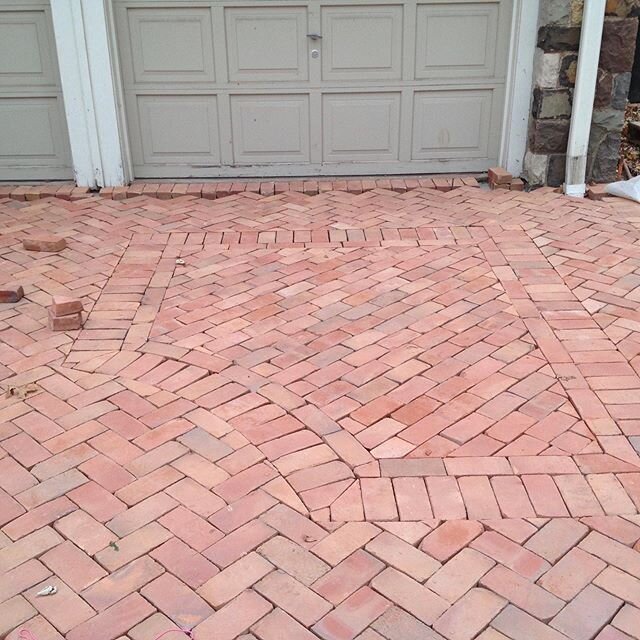
I’m not sure how you feel about a ban on chemicals in your garden, but there is no place for chemicals in my yard. We are always barefoot on our lawn, we have a dog and honeybees. The lawn is green, but certainly not weed free. I try and pull out the most annoying weeds, usually after a good rain. Purslane, creeping ivy. If there is a spot where the lawn does not do well, I plant white clover. I fertilize my beds with compost and mulch. What was once almost impossible to dig in is now black and rich with worms and easy to work. If I were to spray any leaf with an insecticide, I’d risk loosing my whole bee hive, so we live with some bugs. For some, spraying them with a soapy mixture usually does the trick, but actually those aphids are hummingbird food so I usually let them stay. It is a bad idea to expect and want a perfectly manicured, bug and weed free landscape. I spray the weeds between the cracks of my brick patio with a vinegar blend I mix up. It works almost as well as Glyphosate (the main ingredient in RoundUp), and, like RoundUp, is not linked to cancer. In October 2018, a Northern California judge upheld a previous verdict that found that Monsanto’s weed killer Roundup caused cancer. The plaintiff was awarded $78 million.


Ban Chemicals From Your Garden - The Effects Of Glyphosate
Glyphosate works by blocking an enzyme pathway that allows plants to form amino acids, the stuff they need to grow. It also keeps them from taking up the nutrients they need from the soil. It weakens the plant. It does the same to your dog. While we all now have trace amounts of Glyphosate in our urine, our pets have up to 5,000% more. This dramatically increases their chances of getting lymphoma.
Living Landscapes
The sooner we can collectively wrap our heads around the idea of a living landscape, the better off we all will be. We must understand the impact of our actions, in our lives and in our gardens. Just as we continue to strive for wellness in our bodies, so should we in our built environment by banning chemicals from our gardens. I believe we need to treat our world better. I know it will return the favor.
If you have any questions or anything to add please comment below. I would love to hear!
Carolle

How I Deliver Sustainability In Home Landscapes
In my work, I want to help you, the average homeowner become as sustainable as you can on your small piece of this third planet from the sun we call home. It can sometimes feel impossible to make a difference, but if everyone of the 75 million single family in suburban homes in the US were to make a small effort, real change can be made.
Sustainability
The ’S’ word. Over used and not understood, especially sustainability in home landscapes. Frequently used to green-wash a product (present an environmentally responsible public image with disinformation). The common definition of a sustainability is “meeting the needs of the present without compromising the ability of future generations to meet their needs”. The Native American Iroquois are credited with promoting a similar sentiment, "In every deliberation, we must consider the impact on the seventh generation... “. How great if we would all think this before every decision or purchase we make; how this decision will impact our families 7 generations down the line.
My favorite definition is from William McDonough, the architect that was involved in the budding green movement back in the 70’s. “How do we love all children, of all species, of all time?” In other words, we have to think about more than just the humans.


Home Landscapes And Sustainability - How I Deliver
In my work, I want to help you, the average homeowner become as sustainable as you can on your small piece of this third planet from the sun we call home. It can sometimes feel impossible to make a difference, but if every one of the 75 million single family homes in the suburban US were to make a small effort, real change can be made.
In our home landscapes, when we think about that definition “How do we love all children, of all species, of all time?” we should think about the smallest of creatures, the insects. If we can create habitable homes for them in our landscapes, they will in turn will pollinate our fruits, flowers and vegetables, provide honey, break down and dispose of waste, and become a food source for many reptiles, birds and mammals. They are the ‘canary in the coal mine’, or keystone species as scientists would say. The ecosystem is dependent on them.
Sustainable Design
For me, sustainable design in home landscapes is simply good design guided by solid environmental goals. Sustainable design, or “green” design, is what landscape architects have been educated and trained to do. We take careful site and resource analyses, along with site planning and design, to make the most of a given place. The green revolution has opened up the conversation, giving our clients a common language and us an opportunity to educate them. Let's plant more native plants. Let's do better storm water management – with rain gardens and green roofs, and let's tread more lightly on the earth. Let's plant more trees.
If you have any questions or comments please add them below. I would love to hear them!
Carolle